Preventive Plumbing: Small Habits and Smart Upgrades That Save Money and Stress
2 min
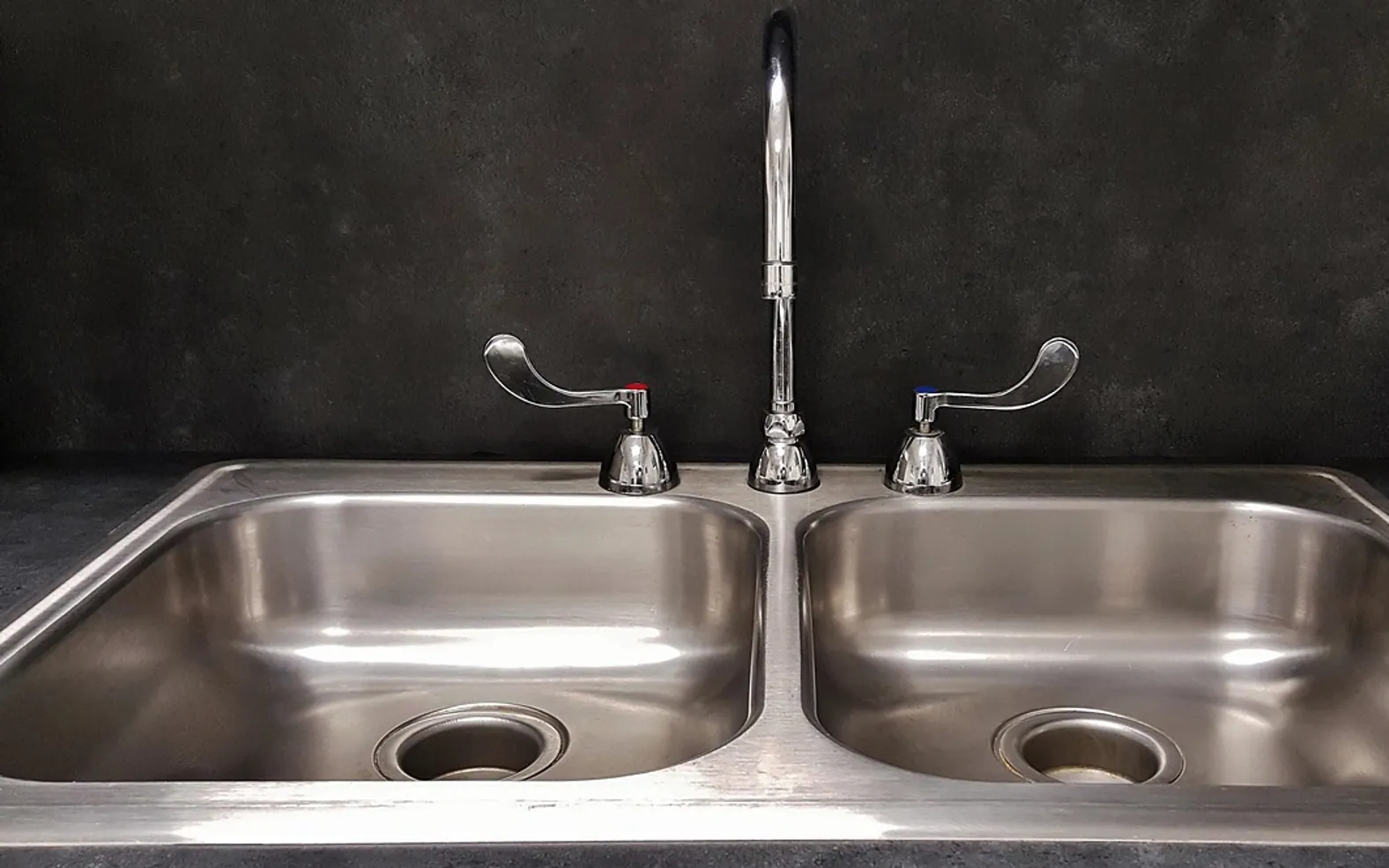
Most plumbing trouble announces itself long before it becomes an emergency. A valve that will not turn, a toilet that runs for a few seconds after flushing, a drain that empties a little slower each week: these are small signals that are easy to ignore. Paying attention to them, and setting aside a little time each season, keeps repairs smaller and far less stressful.
Begin with a short annual check-up
A yearly visit from a trusted local plumber, for example a firm like https://realgoodvalue.com, gives you a professional baseline. A technician can look at the water heater, test the pressure, inspect visible pipework and point out parts that are nearing the end of their life. Having that list in hand means you can plan replacements on your own schedule instead of reacting at midnight.
Know your pressure and your valves
Water pressure that is too high quietly wears out hoses, valves and appliance seals. An inexpensive screw-on gauge at an outdoor tap shows the reading in a minute. If it seems high for a home, ask a professional whether a pressure-reducing valve makes sense or whether an existing one needs adjusting.
Shutoff valves deserve the same attention. Every few months, turn each one off and back on, including the main. If a valve is stiff or seized, leave it and have it replaced; forcing it can create the very leak you are trying to prevent. Simple tags on the main, the water heater and appliance lines help anyone in the house act quickly if something goes wrong.
Seasonal habits that cost almost nothing
| When | Habit |
|---|---|
| Spring | Check outdoor taps and irrigation lines for winter damage; look under sinks for damp cabinet floors. |
| Summer | Inspect washing machine and dishwasher hoses for bulges or cracks. |
| Autumn | Disconnect garden hoses and insulate exposed pipes in garages or crawl spaces. |
| Winter | Keep cupboard doors open under sinks on outside walls during very cold spells. |
Kitchen drains benefit from one rule above all: grease goes in the bin, not the sink. Bathroom drains do better with a hair catcher than with harsh chemical cleaners, which can be hard on older pipes.
Upgrades that tend to pay off
- Braided stainless supply lines for toilets, taps and washing machines are sturdier than older rubber hoses.
- Leak sensors placed beside the water heater and under sinks send a phone alert at the first sign of moisture.
- An automatic shutoff valve on the main line can stop water flow if a pipe fails while nobody is home.
- Water heater flushing on the schedule the manufacturer suggests helps limit sediment build-up.
None of these require a full renovation, and several can be added one at a time as the budget allows.
Keeping records and staying ahead
A simple note on your phone listing installation dates, model numbers and service visits turns guesswork into planning. When a part is approaching the end of its expected life, you will see it coming. Combine that record with a few minutes of attention each season, and the plumbing becomes something you rarely have to think about at all, which is precisely the point.
Questions? Write to us.
Corrections are always welcome.