How to Plan a City Break: Two or Three Days Done Well
4 min
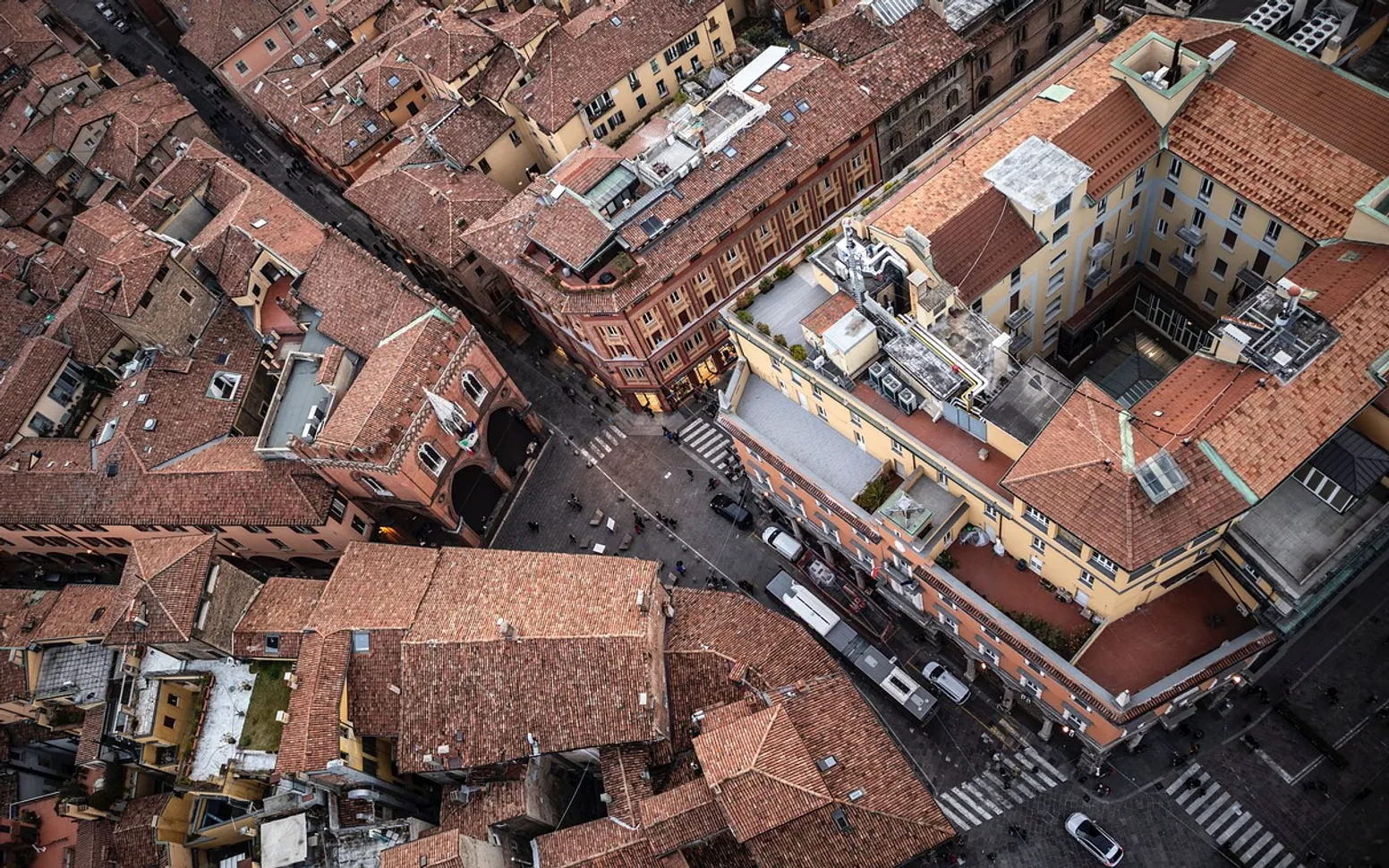
A city break is short by design. Two or three days is enough to fall a little in love with a place, but not enough to see everything, and trying to do so is the most common way to come home more tired than when you left. A good plan for a short city trip is less about cramming and more about choosing well: where to stay, what to anchor each day around, and where to eat. Here is a straightforward way to put one together.
Choosing the city and the dates
If you have not settled on a destination, start with practical filters rather than a wish list:
- Travel time. On a short trip, every hour spent getting there is an hour less in the city. Direct trains or flights make a big difference.
- Arrival and departure times. An early arrival and a late return can add almost a full day.
- Season and weather. Cities built around parks and waterfronts shine in warm months; museum-heavy cities work well year-round.
- What is on. Festivals, exhibitions or concerts can be a reason to choose particular dates, or to avoid them if prices and crowds rise.
Weekdays are often calmer and sometimes cheaper than weekends, though some venues close on particular days, so check opening hours before fixing dates.
Pick a base that saves time
Your choice of bed for the night sets the rhythm of every day. A central or well-connected location means less time on transport and the freedom to drop by between outings. When comparing places to stay, look at:
- walking distance or a short public transport ride to the areas you most want to see;
- how easy it is to reach from the station or airport with luggage;
- the neighbourhood in the evening, since you will want to eat and walk nearby;
- check-in and check-out times, and whether luggage can be stored on the first and last day.
One anchor per day
The simplest way to avoid an overstuffed schedule is to give each day a single anchor: the one thing you most want to do. Everything else is optional and fits around it.
| Day | Anchor | Around it |
|---|---|---|
| Arrival day | A walk through the centre or the old town | Check in, an early dinner nearby |
| Full day | A major museum, a landmark or a guided tour | A market or café in the same area, an evening event |
| Departure day | A neighbourhood you have not seen yet | A long lunch, last-minute shopping, the journey home |
Group sights by area so you are not crossing the city repeatedly. Book timed tickets for the busiest attractions in advance; for everything else, leave room to decide on the day.
Add one evening event
A concert, a play, a match or an open-air screening gives a short trip a memorable moment and shows a side of the city that daytime sightseeing misses. Check the programmes of the main venues and the city's events listings a week or two before you go. Our guide to finding local events explains where to look, at home or away.
Eat well, without spending the trip searching
Food is often the part of a city break people remember most. A little planning keeps you from wandering hungry past closed kitchens:
- Reserve one special meal in advance, and leave the rest open.
- Look for markets, food halls and counter restaurants for quick, local lunches.
- Note a couple of places near your base for an easy first or last evening.
- Ask staff at your accommodation where they eat themselves.
Watching a busy kitchen at work can be a highlight in itself; our look inside a ramen restaurant shows why a counter seat is often the best one in the house.
Pack light
A short trip is the perfect excuse to travel with hand luggage only. Plan outfits around comfortable walking shoes, bring one layer for cooler evenings and one smarter piece for a nice dinner, and keep chargers, travel documents and any medicines in one pouch. Less luggage means quicker arrivals, easier transfers and no waiting at a carousel.
Leave space to wander
The best moments of a city break are often unplanned: a side street, a small gallery, a park bench with a view. Build in a few unscheduled hours, especially in the afternoon when energy dips. Keep a simple list of "if we have time" ideas, and don't worry if you never reach them. A city you have not finished is a good reason to come back.
A quick checklist
- Choose dates and check opening days for your key sights.
- Book transport and a well-located base.
- Pick one anchor per day and book timed tickets if needed.
- Add one evening event and one reserved meal.
- Pack light and keep documents together.
- Leave at least half of each day open.
Questions? Write to us.
Corrections are always welcome.