How to Find Good Restaurants When You Travel
4 min
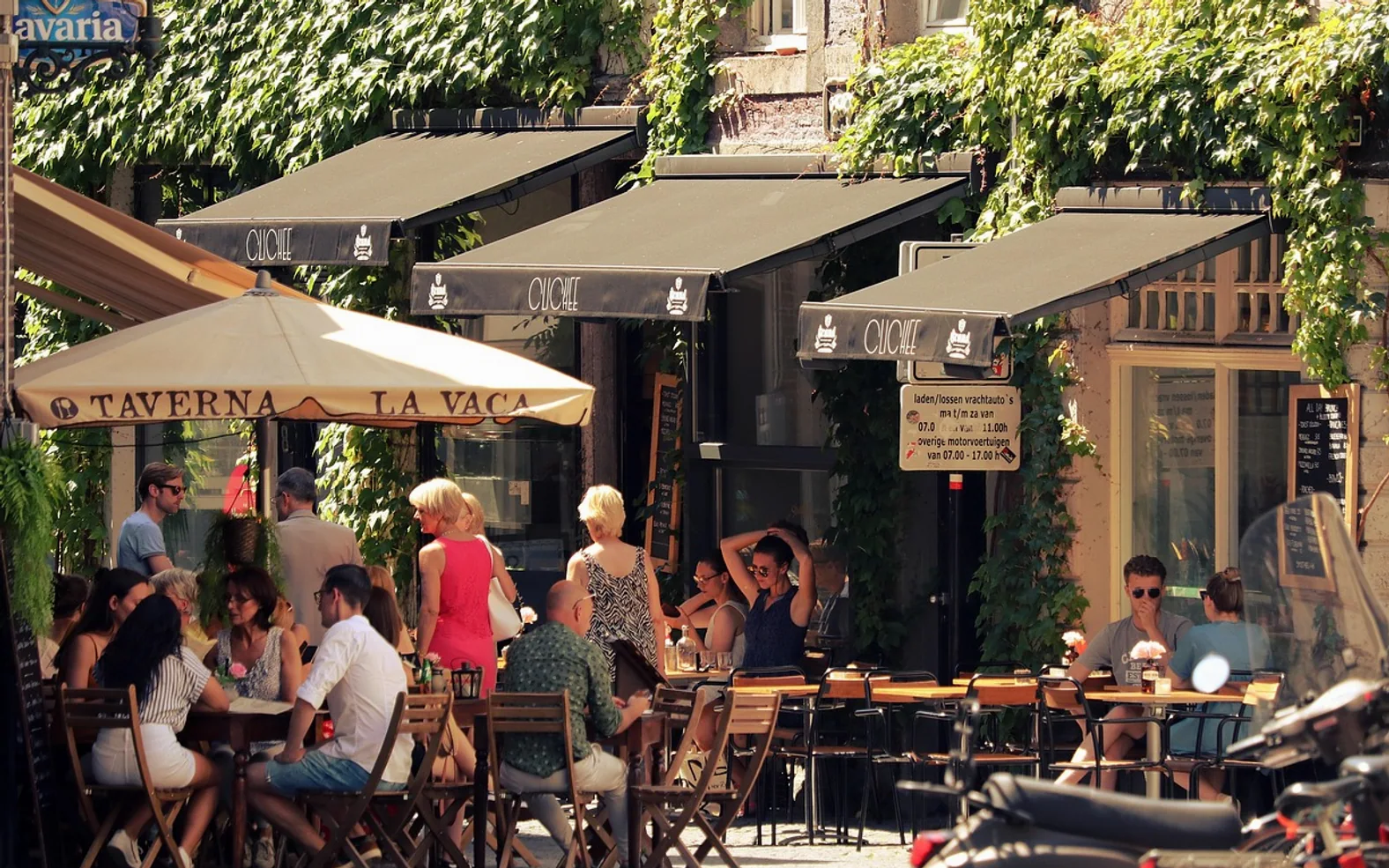
It is eight in the evening, everyone is hungry and the square in front of you is lined with terraces, each with a laminated menu in five languages and someone at the door inviting you in. You could sit down anywhere. The question is how to sit down somewhere good, without spending an hour scrolling while the mood sinks.
There is no single trick, but there are reliable signals. Combine a few of them and the odds of a memorable meal go up a lot.
Do a little homework before you are hungry
The worst time to choose a restaurant is when you need one right now. Ten minutes in the afternoon, or on the train in, can save the evening:
- Learn what the place is known for. A regional dish, a market, a type of bakery or a street with a cluster of local spots gives you something to aim for.
- Shortlist three or four options near where you will be at mealtime, not across town.
- Check opening days and hours. Many independent restaurants close one or two days a week, and some kitchens stop taking orders earlier than you might expect.
- Note whether booking is needed. Small, popular places can fill days ahead, especially on Friday and Saturday nights.
When you are already planning a short city break, it helps to place one good meal next to each day's main sight so food and sightseeing support each other.
How to read reviews without being misled
Map and review apps are useful, but the star average alone says little. Read the reviews themselves, and look for a few patterns:
- Recent reviews count most. Restaurants change chefs and owners; a glowing year-old review may describe a different kitchen.
- Specific beats enthusiastic. A review that names dishes, describes the bread or mentions a busy lunchtime crowd tells you more than one that only says "amazing".
- Look at who is reviewing. If reviews are written in the local language as well as by visitors, residents probably eat there too.
- Read the middling ones. Three-star reviews often explain the real trade-offs: slow service, small portions or a noisy room.
- Look at the photos guests post, not only the restaurant's own. They show portion sizes, plating and how full the room is.
Signals you can see from the street
Once you are out walking, the restaurant itself gives plenty away.
A short menu
A focused menu, ideally with a few daily specials, suggests a kitchen that cooks fresh and knows what it does well. A menu with dozens of dishes from several cuisines is harder to cook well every night.
Language and pictures
A menu in the local language, with translation underneath, is a good sign. Photo menus and boards in many languages are common in the busiest tourist zones; they are not always a bad sign, but they deserve a closer look.
Who is eating there
A room full of locals at a local mealtime is one of the strongest signals there is. A queue of people who look like they work nearby, at lunch on a weekday, is even better.
The block-away rule
Walk one or two streets away from the main square, the cathedral or the station. Rents and passing trade drop quickly, and the places that rely on regulars rather than foot traffic often start there.
Ask people, but ask well
"Where should I eat?" tends to get a safe answer. A more specific question gets a better one: "Where do you go for a cheap lunch near here?" or "Where would you take a friend for the local dish?" Hotel staff, shopkeepers, market traders and the person who served your morning coffee are all good people to ask. Bar staff often know which kitchens are good late at night.
Timing and booking
Mealtimes vary widely between countries. Eating at the local hour puts you among regulars; arriving at the very start of service gets a quieter room and a better chance of a table without booking. Lunch menus at many restaurants offer the same kitchen for less money than dinner, which makes lunch a good time to try a place you are curious about.
For places on your shortlist, book once your dates are fixed. If plans change, cancel so the table goes to someone else.
Leave room for counters, markets and stalls
Some of the best food on a trip comes from places with no tablecloths at all: a market hall, a bakery counter, a noodle bar with stools. Counter seats let you watch the cooking, and the speed of a well-run kitchen can be a show in itself, as our look inside a busy ramen restaurant describes. In Seoul, for example, the small restaurants and convenience stores around popular screen locations are part of the visit, and our guide to visiting K-drama locations in Seoul covers those neighbourhoods.
A quick checklist
- Research the local specialities before you arrive.
- Shortlist places near where you will be at mealtime.
- Read recent, specific reviews, including the middling ones.
- Look for short menus, local-language menus and local diners.
- Walk a block or two away from the busiest squares.
- Ask specific questions of people who live there.
- Eat at the local hour or arrive as service opens; book the places you care about.
- If you have allergies or dietary needs, carry a written note in the local language and check with staff before ordering.
Questions? Write to us.
Corrections are always welcome.