What to Wear to the Theater (and the Etiquette That Matters More)
4 min
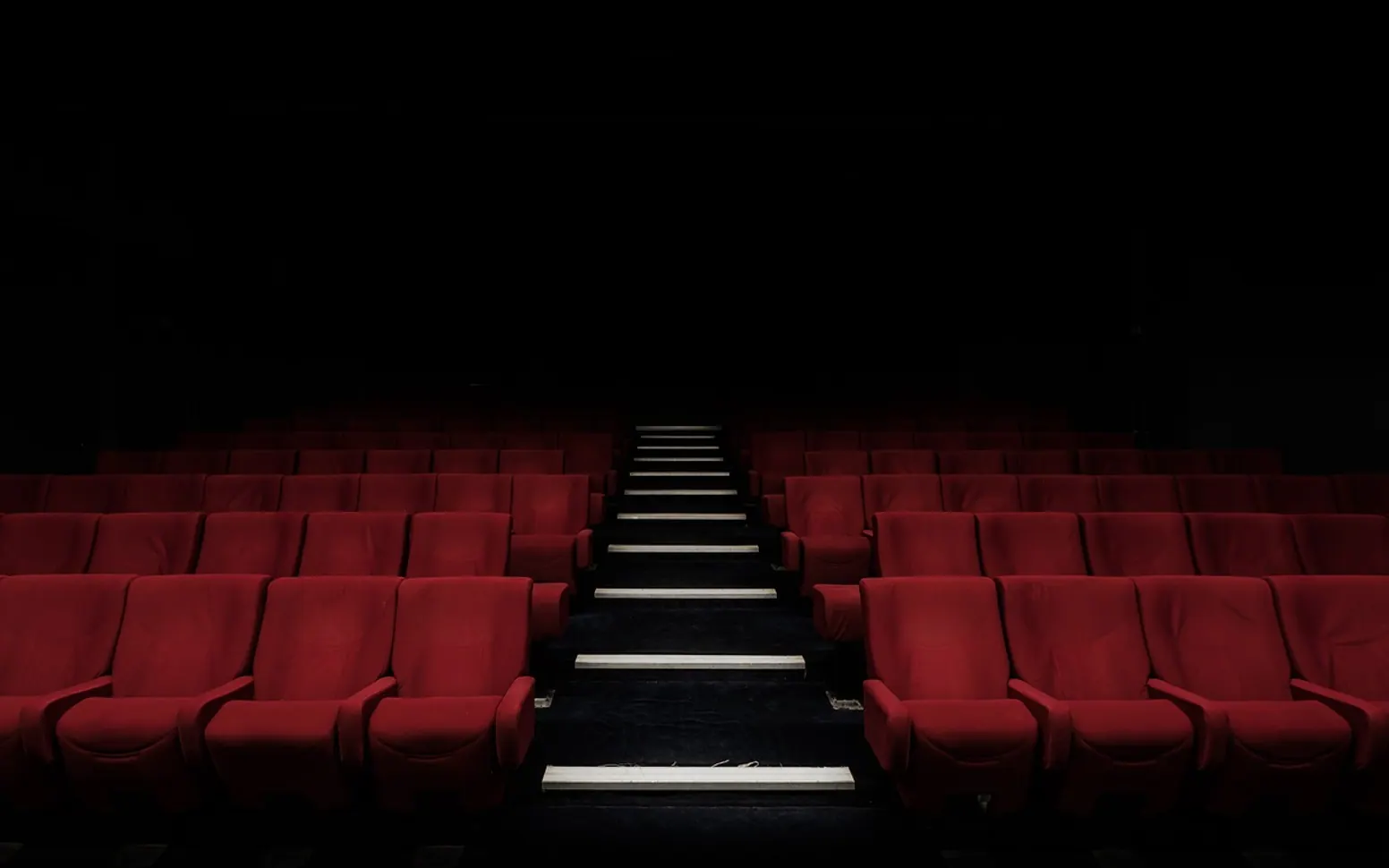
The ticket says 7:30, the coat is on the bed and the same question comes up as always: is this a jeans night or something smarter? It is worth a moment's thought, though perhaps not as much as people give it. Very few theaters enforce a dress code. What you wear mostly depends on the kind of show, the time of day and how comfortable you will be sitting still for two or three hours. How you behave once you are in the seat matters far more to the people around you.
The short answer
For most plays and musicals, smart casual is the safe middle: clean dark jeans or chinos with a shirt, knit or neat top, or a simple dress, plus shoes you can walk and stand in. Dress up a level for an opening night, a gala, a ballet or opera evening, or a special occasion. Dress down a little for a matinee, a fringe show or a small studio space. Nobody will turn you away for being too casual at an ordinary performance, and few will notice if you are slightly overdressed.
Matching the outfit to the show
| Occasion | Usual feel | Ideas |
|---|---|---|
| Weekday matinee | Relaxed | Jeans or trousers, a jumper or casual shirt, trainers or flats |
| Evening play or musical | Smart casual | Dark jeans or chinos, a collared shirt or blouse, a simple dress, a light jacket |
| Opera or ballet | A step up | Tailored trousers or a skirt, a dress or a blazer; a tie is optional at most houses |
| Opening night or gala | Dressy | A suit, cocktail dress or your best going-out outfit; check the invitation for black tie |
| Fringe, studio or outdoor show | Casual and practical | Layers, comfortable shoes and, outdoors, something warm for after sunset |
Big commercial shows draw tourists and families straight from a day of sightseeing, so trainers and backpacks are a common sight there. A small repertory theater or a gala at a historic opera house may lean dressier. If you are unsure, a look at photos from the venue's foyer or audience pages gives a fair picture of what people wear.
Comfort over three hours
Older auditoriums in particular have narrow seats, little legroom and steep stairs to the upper levels. A few choices make the evening easier:
- Layers. Auditoriums can be warm once full, while foyers and the street outside are colder. A cardigan or light jacket you can take off and hold on your lap works better than a heavy coat.
- Shoes you can climb in. Balcony and gallery seats often mean several flights of stairs, sometimes in low light.
- Fabrics that stay quiet. Stiff waterproofs and noisy bracelets rustle and clink in a silent scene.
- Clothing that feels good sitting down. Waistbands and fits that are fine standing can pinch by the second act; a smooth base layer under a dress or tailored outfit can help, and our piece on long-sleeve shapewear bodysuits for all-day wear covers what to look for in fit and fabric.
- Small bags. Many venues check bags at the door and have little space under the seats; large ones may have to go to the cloakroom.
Hats are best removed once you sit down, and tall hairstyles are worth a thought if you have a seat in the stalls. The person behind you paid for a view of the stage.
Theater etiquette that matters on the night
Arrive early
Aim to be at the venue twenty to thirty minutes before curtain up. That leaves time for bag checks, the cloakroom and the toilets. Many theaters hold latecomers at the back until a suitable break, which can mean missing the whole first scene, and at some shows that pause never comes before the interval.
Phones off, not just silent
A screen lighting up in a dark auditorium is visible from rows away, and vibrations carry in a quiet moment. Switch the phone off or into a mode that blocks all calls, alarms and notifications. Photos and recordings are almost always banned during the performance; curtain calls vary, so check the venue's rules.
Keep food and drink quiet
Many theaters allow drinks bought at the bar in the auditorium, sometimes in lidded cups. Crisp packets and wrappers are the classic annoyance, so unwrap sweets before the show starts. If you want a glass of something for a celebration, the interval is the time; many bars let you order interval drinks before the show so they are waiting for you. Planning a bottle at home afterwards instead? Our guide to champagne styles, vintages and dosage helps you read the label before ordering.
Talking, singing and applause
Whispered comments still carry. Save the discussion for the interval. At musicals, enjoy the songs without singing along unless the cast invites it. Applause comes at the end of big numbers, at the curtain call and, at opera and ballet, after arias and set pieces, with the conductor's entrance often greeted too. If you are unsure, follow the room.
Getting to and from your seat
Face the people you are passing when you squeeze along a row, and say thank you. Try to stay seated until the interval or the end; if you must leave, wait for a scene change if you can.
Before you go
Check the ticket for the start time, the running time and whether there is an interval, so you can plan transport home. Keep the ticket in the official app; if plans change, our guide on sending tickets to a friend through the seller's app explains why that beats a screenshot. If you go on your own, many of the tips for a solo trip to the cinema apply to a night at the theater too: pick an aisle seat and enjoy the show on your own terms.
Questions? Write to us.
Corrections are always welcome.