Going to the Movies Alone: A Guide to the Solo Cinema Trip
4 min
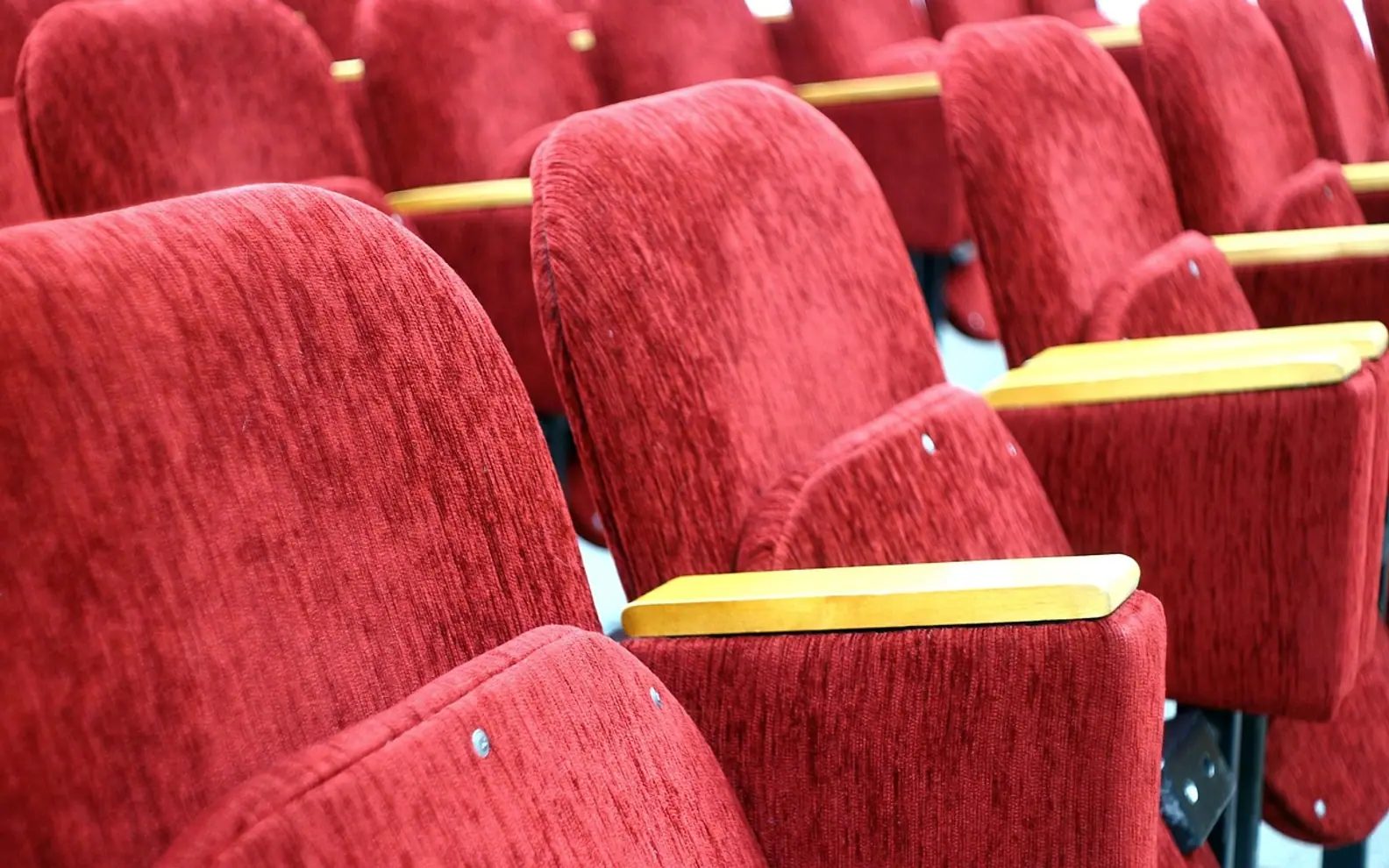
Plenty of people would love to see a film on the big screen but hold back because nobody else is free, or nobody else wants to see that particular title. Going to the movies alone solves both problems at once. It can feel strange the first time, yet many regular cinemagoers end up preferring it for certain films. Here is how to make a solo trip relaxed and enjoyable from the moment you book.
Why a solo ticket works so well
A cinema is one of the few places where being on your own is completely normal. Once the lights go down, everyone is facing the same direction and nobody is talking. A solo trip also brings some real advantages:
- You choose the film. The niche documentary, the subtitled drama, the third viewing of a favourite: no compromise needed.
- You choose the time. A weekday matinee or a late screening fits around your own day, not a group chat.
- You choose the seat. Single seats are often left between booked pairs, so a good spot is easier to find.
- You watch properly. With nobody to whisper to or check on, the film gets your full attention.
Picking the right screening for a first try
If the idea of sitting alone still feels uncomfortable, start in conditions that make it easy. Quieter screenings take away most of the self-consciousness:
- Weekday afternoons and early evenings tend to be calmer than Friday and Saturday nights.
- A film that has been out for a few weeks usually draws a smaller audience than an opening weekend.
- Independent and arthouse cinemas often have a more mixed, solo-friendly crowd.
- Special formats, such as a classic re-release or a festival screening, attract enthusiasts who often come on their own.
Choosing a seat
Seat choice is where solo viewers have the edge. Booking online lets you see the seating map and pick something that suits you:
- Aisle seats make it easy to step out without squeezing past anyone.
- Single gaps between booked pairs are often in the best part of the room.
- The middle third of the room, slightly back from the centre, usually gives the most balanced picture and sound.
- Near the end of a row works well if you want a little distance from neighbours.
Getting past the awkward part
The only moments that might feel odd are the few minutes before the lights dim. A few small habits help:
- Arrive with a little time to spare. Getting seated during the adverts is calmer than hurrying in during the opening scene.
- Bring something for the wait. Reading about the film, its director or its cast turns the waiting time into part of the experience.
- Remember what everyone else is doing. Other people are settling in, looking at their snacks and phones. Nobody is studying who came with whom.
- Treat it as a plan, not a fallback. You chose this film and this time because you wanted to. That mindset changes how the whole evening feels.
Turning it into a small outing
A solo cinema trip can be the centre of a pleasant few hours rather than a quick in-and-out. Some ideas:
| Before the film | After the film |
|---|---|
| A walk to the cinema instead of a drive | A coffee or a meal nearby to let the story settle |
| A browse in a bookshop or a market | Writing down a few thoughts on what worked and what didn't |
| An early dinner at a counter seat | Reading reviews to compare your view with others |
Many cinemas also run regular events, from themed seasons to discussion nights, which are good ways to meet people with similar tastes if you would like company next time. Our guide to finding local events explains where those listings tend to hide.
Practical points
- Check the running time and the end time so you can plan your journey home, especially after a late show.
- Let someone know where you are going if you are travelling home after dark, as you would for any evening out.
- Look for membership or loyalty schemes at the cinema you use most; terms vary, so read them before you sign up.
- Switch your phone to silent and keep it away; the glow of a screen is the one thing that does draw attention.
When home is the better screen
Not every film needs the big screen, and some evenings a sofa wins. If you enjoy watching alone but prefer to stay in, try planning a solo day at home with a theme, much like the ideas in our movie marathon guide, only scaled down to two films and a good meal.
Either way, the main lesson from a first solo trip is usually the same: the hardest part was deciding to go. After that, it is simply you and a film, which is what the cinema was built for.
Questions? Write to us.
Corrections are always welcome.