Smart Buying Online: Understanding Champagne Styles, Vintages, and Dosage Before You Order
2 min
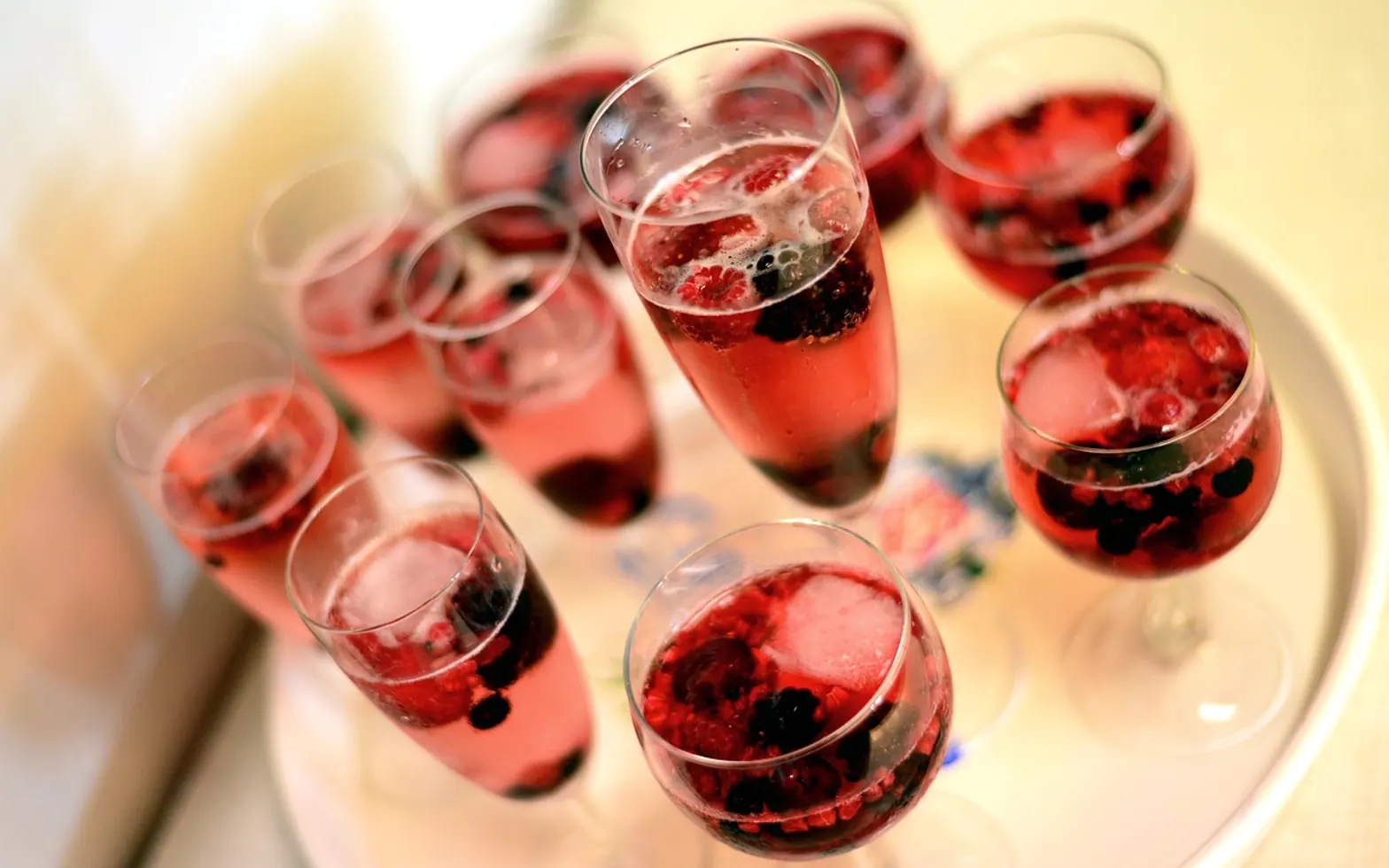
An online wine shop puts more information in front of a buyer than most bottle shops ever did, yet the labels and product pages are full of words that can feel like a code. Learning a handful of them turns scrolling into confident choosing. What follows is a practical reading guide for the next time a celebration, a dinner or a gift calls for something sparkling.
Decode the grapes first
Three grapes dominate the region: chardonnay, pinot noir and meunier. The way they are combined tells you a lot about the glass.
- Blanc de blancs uses only pale-skinned grapes, in practice mostly chardonnay. It tends toward citrus, orchard fruit and a lean, chalky feel.
- Blanc de noirs comes from the dark-skinned grapes and often shows more body and red-berry character.
- Blends aim for balance and a recognisable house style.
- Rosé adds a red-fruit note and pairs surprisingly well with food.
Think about the menu. Delicate seafood often likes the precision of a chardonnay-led wine, while roast poultry or mushroom dishes welcome a fuller pinot-based bottle.
Vintage or non-vintage?
Most bottles carry no year. These non-vintage wines blend several harvests so the house can offer a consistent taste from one release to the next. They are reliable, approachable and generally ready to drink.
A vintage bottle comes from a single year the producer considered worth bottling on its own. It can show more depth and often benefits from extra time in the cellar. Choose it when the occasion deserves a story, and choose non-vintage when you need dependable crowd-pleasers.
Dosage: the sweetness scale on the label
| Term | What to expect |
|---|---|
| Brut nature / zero dosage | Bone-dry, very crisp |
| Extra brut | Very dry with a touch of roundness |
| Brut | Dry; the most common style |
| Extra dry | Slightly softer, a hint of sweetness |
| Demi-sec | Noticeably sweet, good with desserts |
If guests have mixed tastes, brut is the safe middle ground. Drier styles suit oysters and salty snacks; demi-sec shines next to fruit tarts.
Bottle size changes the occasion
Larger formats bring theatre to a party and are said by many enthusiasts to age more gracefully, since the ratio of air to wine is smaller. Dutch shops often group magnums and bigger formats under headings such as grote fles champagne, which makes it easy to browse impressive bottles for a wedding, an anniversary or a corporate event in one place.
Ordering and delivery habits
Read the product page closely: producer, grape mix, dosage, disgorgement information if listed and the bottle size. Plan delivery so the wine arrives a few days early and can rest upright in a cool, dark place before chilling. Give it a few hours on a fridge shelf, or plunge it into a bucket of iced water when time is short, and open it slowly with the cork angled away from people.
Finally, enjoy it sensibly: serve water alongside, keep the pours modest and make sure nobody drinking is driving afterwards.
Questions? Write to us.
Corrections are always welcome.