Visiting K-Drama Locations in Seoul: How to Plan a Respectful Fan Walk
4 min
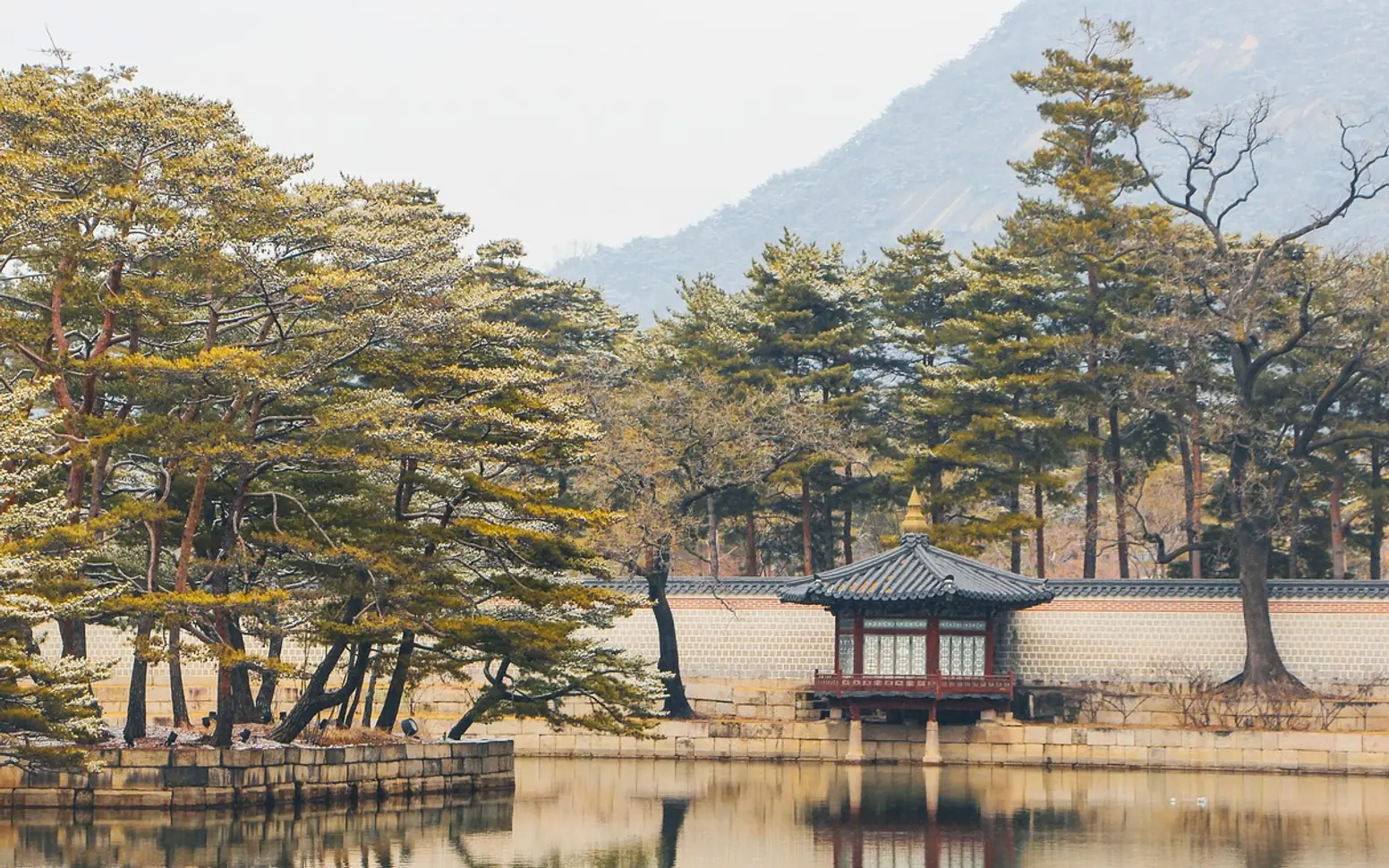
You do not need a list of exact filming spots to feel as if you have stepped into a Korean drama in Seoul. The series that stream around the world lean on a handful of recognisable settings: royal palaces and hanok streets, the slopes of Namsan, the banks of the Han River, the glass towers of Gangnam and the small restaurants and convenience stores where characters talk late at night. Plan a walk around those types of places, keep residents and businesses in mind, and the city does the rest.
The settings dramas return to
Watch enough episodes and the pattern becomes clear. Genre shapes the backdrop, and each backdrop has a real-world counterpart you can visit on an ordinary day.
| Drama mood | Typical setting | What to look for in person |
|---|---|---|
| Historical and palace intrigue | Royal palaces, gates and hanok neighbourhoods | Courtyards, painted eaves, tiled rooflines and narrow stone lanes |
| Romance | Namsan, its walking paths and the riverside | Evening views over the city, benches by the water, cycle paths and bridges lit at night |
| Office and corporate drama | Gangnam and other business districts | Glass lobbies, wide avenues, rooftop terraces and crowds at lunchtime |
| Slice of life and family stories | Residential side streets | Small diners, corner convenience stores with outdoor tables, steep alleys and rooftop flats |
Planning a location walk
Fans tend to get more from a day built around one neighbourhood than from a dash across the city. Seoul is large, and the subway is efficient but not instant.
- Pick a theme. A "historical" day around the palaces and hanok lanes feels very different from a "modern" day in Gangnam, and grouping places by mood keeps travel time down.
- Map the cluster. Choose three or four stops that are walkable from one another, plus somewhere to eat.
- Check opening days. Palaces and some parks close on certain weekdays, so confirm the current schedule before you set out.
- Time the light. Mornings are quieter for palace photos; the riverside and Namsan look their most cinematic around dusk.
- Leave room to wander. Many of the scenes you remember were shot on unremarkable streets, and stumbling on one that feels right is half the pleasure.
If this is your first trip, the same principles from our guide on planning a two- or three-day city break apply: one anchor per day, a well-placed base and realistic walking distances.
Respecting residents and businesses
Hanok neighbourhoods and quiet residential lanes are homes first and backdrops second. Local signs often ask visitors to keep their voices down, and that request deserves to be taken seriously. A few simple courtesies keep a fan walk welcome:
- Speak quietly in residential streets, especially in the morning and evening.
- Do not sit on doorsteps, lean on gates or photograph into windows and courtyards.
- In restaurants and shops, buy something before taking photos, and ask staff if you want a picture of the interior.
- Avoid blocking narrow pavements or shop entrances while you line up a shot.
- Take any rubbish with you; public bins can be scarce.
Getting the photos
Dramas are framed carefully, and a phone camera can get surprisingly close to that look. Shoot along lanes rather than straight across them to pull rooftops and lanterns into depth. At the river, lower your angle so the water and bridge lights fill the bottom of the frame. In Gangnam, reflections in glass facades make strong backgrounds, but keep moving so office workers can get past. Palace grounds have their own rules about tripods and some areas, so read the notices at the entrance.
Some visitors rent traditional clothing for palace photos. If you do, treat it as you would any borrowed outfit, and follow the rental shop's guidance on where and how to wear it.
Singing your own karaoke scene
Few settings come up in dramas as often as the karaoke room: colleagues letting off steam after a hard project, friends belting a ballad after a breakup, a shy character finally taking the microphone. In Seoul these noraebang rooms are an everyday part of social life, rented by the hour by groups of friends, families and co-workers. Gangnam has plenty of them, which makes it a natural last stop after a day spent among office-drama skylines.
Before you go, it helps to understand how bookings, room sizes and song systems usually work, and a dedicated guide such as Karaoke of Gangnam Official covers karaoke visits in the district. Most machines offer international songs alongside Korean ones, so mixed groups can take turns. If drinks are on the table, pace yourselves and plan the ride back by subway or taxi rather than behind the wheel.
Do I need to speak Korean to visit these places?
No. Major sights, transport and many restaurants have signs or menus in English, and a translation app covers the gaps. Learning a few polite phrases is still appreciated.
Can I watch dramas with subtitles to prepare?
Yes, and rewatching a favourite episode before the trip helps you notice the kinds of streets and buildings you will see. If your player struggles with external subtitle files, our explainer on how SRT subtitle files work walks through adding them.
Is a guided tour better than going alone?
It depends on your style. Self-guided walks give more freedom and quiet moments; group tours handle logistics but move at a fixed pace. Many fans try one of each.
Seoul's drama scenery is not a set that switches off when the cameras leave. It is a living city, and the most memorable location walk is one where you watch it as closely as you watch the screen, then step back so the people who live there can carry on with their day.
Questions? Write to us.
Corrections are always welcome.