AI in Healthcare: Advancing Diagnostics and Patient Care with Precision
2 min
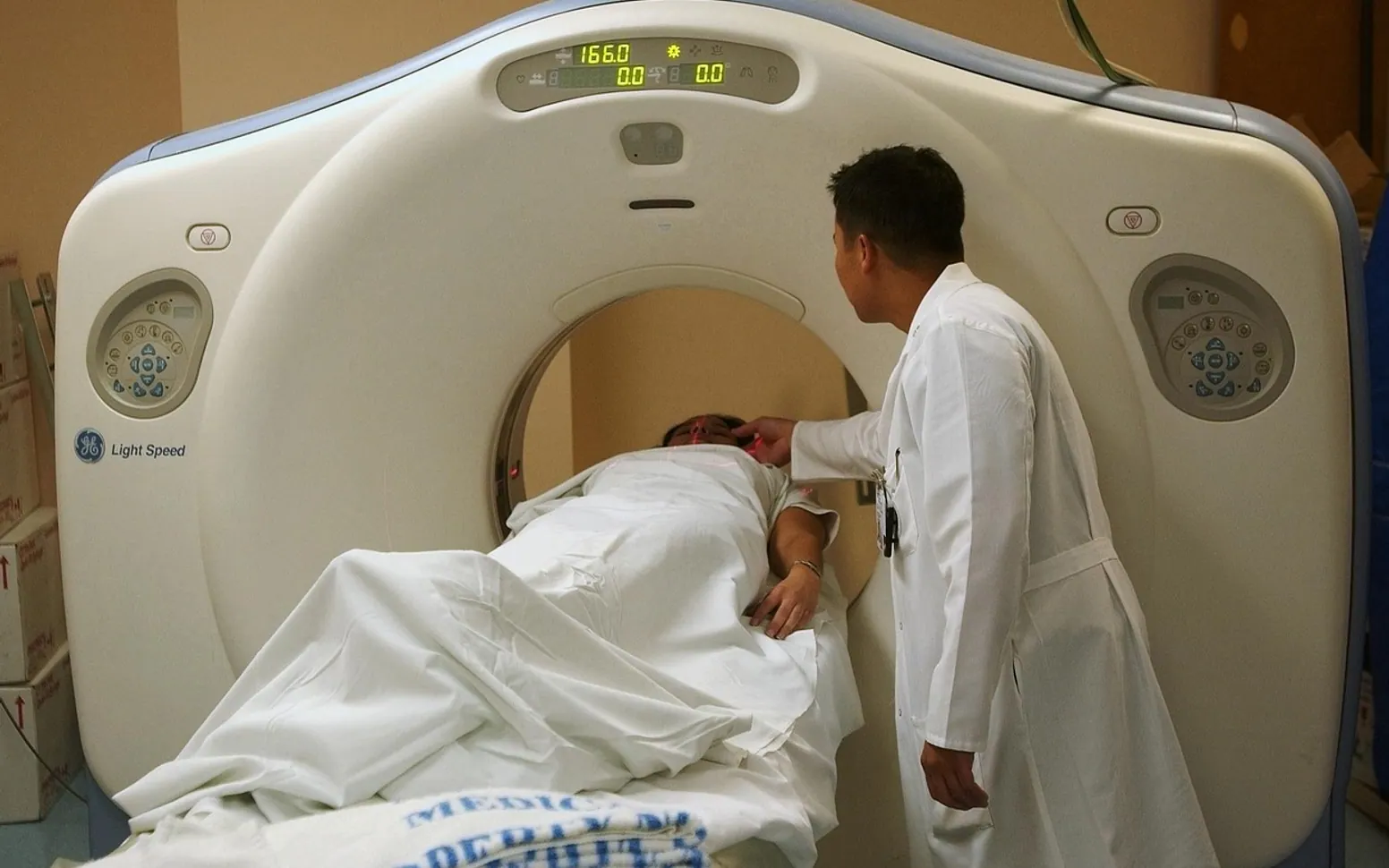
Software that learns from data has moved from research papers into hospital corridors, though usually in quieter ways than headlines suggest. Most of it works in the background: flagging a scan for a second look, sorting a pile of referrals, or reminding a clinic that a patient is due for a check. Seeing where these tools fit, and where they do not, gives a more realistic picture than talk of robot doctors.
Following a patient through the system
It helps to trace a single visit. Before an appointment, booking software may forecast empty appointment times and propose ways to fill them. At triage, decision-support tools can highlight symptoms that warrant faster attention. During diagnosis, image analysis programmes can mark areas on an X-ray or CT scan that a radiologist may want to examine more closely. Afterwards, automated reminders and monitoring apps help keep follow-up on track.
At each step, the software offers a suggestion and a person decides. That arrangement is deliberate. A model trained on past cases can spot patterns quickly, yet it has no view of the patient's wider circumstances, preferences or the subtle cues a clinician notices in the room.
Where the technology shows promise
- Imaging: pattern recognition is well suited to pictures, so scans and pathology slides are a natural starting point.
- Paperwork: speech-to-text and summarising tools can cut time spent on notes, giving staff more time with patients.
- Personalised plans: combining records, test results and history can help clinicians weigh treatment options for an individual rather than an average.
- Research: sifting large sets of anonymised data may point researchers toward questions worth testing properly.
For organisations trying to understand what is available, a curated directory saves a lot of searching. 5app.ai collects a wide spread of AI tools under one roof, so teams can compare categories and shortlist options before speaking to vendors in depth.
Where this approach stops working
A tool is only as fair as the data behind it. If training records under-represent certain groups, results for those groups may be less reliable. Systems also need regular checking once they are in use, because hospital equipment, populations and practices change over time. Privacy is another concern: health records are sensitive, and any project should be clear about consent, storage and who can see what.
There is also the risk of over-trust. When software is right most of the time, people can stop questioning it. Good practice keeps clinicians actively reviewing outputs and makes it easy to override a suggestion.
What patients can reasonably ask
Nobody needs to become an expert, but a few questions are fair game at an appointment: was a computer tool involved in reading my results, and did a clinician review them? How is my data stored? What happens if I prefer a different approach? Health decisions should always be made with a doctor or other qualified professional who knows your history, and any symptom that worries you deserves a direct conversation rather than an online check.
Used carefully, these systems can give staff more time and sharper information. The aim is better care delivered by people, with software doing the sorting and spotting in support.
Questions? Write to us.
Corrections are always welcome.